Marketing Efficiency vs Marketing Effectiveness: Why Growth Plateaus Even When Performance Looks Strong
- Jan 21
- 5 min read

Introduction
Marketing efficiency and marketing effectiveness measure different dimensions of performance and influence growth in different ways. Marketing efficiency focuses on how well resources are used to generate outputs, such as leads or customers. Marketing effectiveness focuses on whether marketing activity meaningfully expands demand, reach, and long-term business impact. A marketing system can be highly efficient while still failing to grow.
This distinction matters because many organizations experience improving performance metrics alongside slowing revenue or user growth. In these situations, the constraint is rarely execution quality. It is usually a structural mismatch between what is being optimized and what actually drives scale.
This article helps decision-makers determine whether growth is constrained by over-optimizing efficiency or by under-investing in effectiveness, and how that understanding should guide strategy and resource allocation.
The Real Problem: Why This Persists

The confusion between efficiency and effectiveness persists because of how marketing is measured and managed.
Efficiency metrics dominate because they are immediate, attributable, and comparable over short periods of time. Cost per acquisition, return on spend, and conversion rates provide fast feedback and clear accountability. They also align well with reporting cycles and budgeting processes.
At smaller scales, this focus produces real gains. There is unused demand, competition is limited, and efficiency improvements translate directly into growth. As organizations scale, however, the environment changes. Demand becomes more contested, audiences overlap across competitors, and incremental efficiency gains produce smaller returns.
What breaks at scale is leverage. Marketing teams become increasingly skilled at extracting value from the same demand pool instead of expanding that pool. Surface-level fixes such as more testing, tighter targeting, or marginal cost reductions improve metrics but do not restore growth. Over time, the system becomes optimized for efficiency inside constraints that no longer support the company’s growth goals.
What Is Marketing Efficiency? What Is Marketing Effectiveness?

Marketing efficiency measures how effectively resources are converted into outputs.It is concerned with cost control, waste reduction, and process optimization within existing activities. Efficiency asks whether the same result can be achieved with fewer inputs or whether inputs can generate more output within the same demand environment.
In practice, efficiency focuses on improving ratios: lower cost per result, higher conversion rates, and better utilization of budgets and teams. These improvements are valuable, but they operate within fixed boundaries.
Efficiency does not guarantee growth. It does not increase the size of the market, create new demand, or ensure long-term competitive advantage. It improves how well the system works, not what the system can achieve.
Marketing effectiveness measures whether marketing activity produces meaningful business impact.It is concerned with whether marketing increases demand, expands reach, builds relevance, and improves future growth potential.
Effectiveness evaluates whether more people enter the market, whether consideration increases, and whether future acquisition becomes easier or more stable. Its impact is often slower to observe because it unfolds over longer time horizons.
Effectiveness does not guarantee immediate efficiency or clean attribution. Its value lies in expanding what is possible for the system over time.
Efficiency and effectiveness are not opposites. They address different constraints and operate on different timelines.
Why Efficient Marketing Can Still Fail to Grow a Business

Efficient marketing fails when it optimizes the wrong constraint.
Efficiency improvements increase output from existing demand. Costs decline, conversion rates improve, and performance reporting appears strong. However, if the total addressable demand remains unchanged, growth eventually plateaus.
The cause is structural. Efficiency improves extraction, not expansion. Once most available demand is captured, additional optimization yields diminishing returns. The implication is that metrics remain stable or improve while revenue growth slows.
This creates a common but confusing situation: marketing looks well-managed, but the business stops scaling. The system is functioning as designed, but its design no longer aligns with growth objectives.
How Efficiency Became a Proxy for Success
Efficiency became a proxy for success because it aligns with short feedback loops.
Efficiency metrics respond quickly to change. They allow teams to test, adjust, and report progress within weeks or months. Effectiveness operates over longer periods and is influenced by factors such as awareness, memory, and competitive context.
Because organizations prefer measurable and controllable signals, decision-making gradually shifts toward efficiency optimization. Over time, effectiveness is deprioritized because it is harder to attribute and slower to show results, even though it determines future growth capacity.
This bias is rarely intentional. It emerges naturally from how incentives, reporting, and planning cycles are structured.
What Marketing Effectiveness Actually Measures
Marketing effectiveness measures whether marketing activity changes market behavior in ways that support growth.
This includes whether the potential buyer pool expands, whether consideration and preference increase, and whether future acquisition becomes less volatile and less expensive. Effectiveness reflects strategic leverage. It determines whether marketing expands the opportunity set or simply optimizes within it.
Although effectiveness is slower to measure, it directly influences the ceiling of what efficiency can achieve later. Without effectiveness, efficiency gains eventually run out of room.
Strategic Framework: Efficiency and Effectiveness as a System
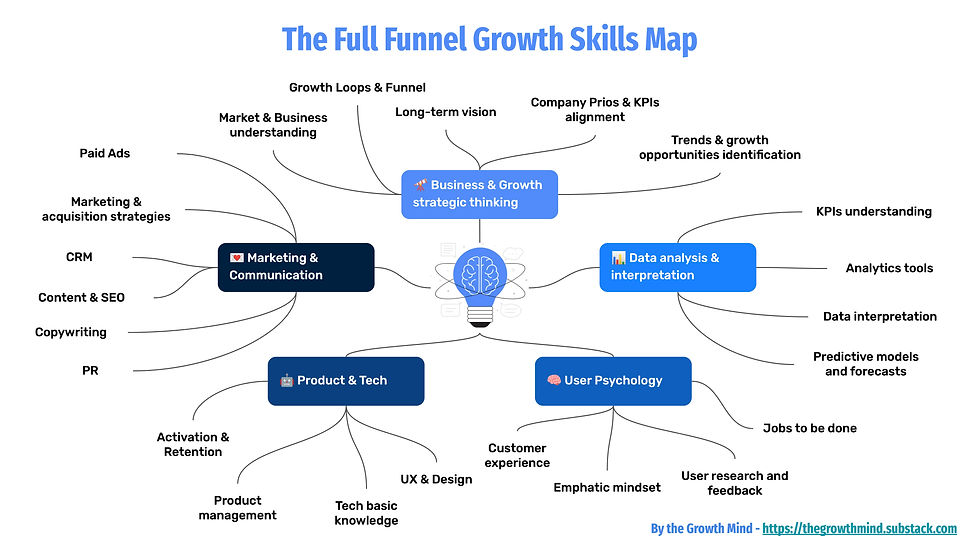
Efficiency and effectiveness interact across the full growth system.
At the traffic level, efficiency reduces the cost of acquiring existing demand, while effectiveness increases the volume of qualified demand available to acquire.
Within the funnel and conversion process, efficiency improves conversion rates and reduces friction, while effectiveness increases the number of high-intent entrants into the funnel.
Across CRM and lifecycle stages, efficiency improves retention economics, while effectiveness increases long-term value by strengthening engagement and reactivation.
In analytics, efficiency relies on short attribution windows, while effectiveness requires trend analysis and cohort behavior to understand long-term impact.
Automation increases efficiency by improving speed and consistency. AI supports effectiveness by identifying patterns and opportunities that expand reach, without replacing strategic judgment.
Growth plateaus when efficiency is optimized without parallel investment in effectiveness.
What Actually Drives Results
Efficiency establishes a baseline by reducing waste and improving margins. Effectiveness expands the growth ceiling by increasing demand and strategic reach. Short-term efficiency gains often mask long-term constraints, delaying recognition of saturation.
Sustainable growth emerges when efficiency and effectiveness are managed as complementary functions rather than competing priorities. Measurement must reflect intent; applying efficiency metrics to effectiveness initiatives leads to misleading conclusions.
How Blue Marketing Office Approaches the Balance
The approach begins with diagnosis rather than execution. The first question is whether growth is constrained by inefficient resource use or by insufficient market impact.
Growth systems are then designed to align efficiency and effectiveness with appropriate sequencing, metrics, and expectations. This reduces volatility, improves decision clarity, and prevents over-optimization of metrics that no longer drive growth.
The objective is not to choose one permanently, but to apply each where it creates leverage.
Common Questions
What is marketing efficiency?Marketing efficiency measures how well resources are converted into outputs such as leads or customers.
What is marketing effectiveness?Marketing effectiveness measures whether marketing activity expands demand and contributes to long-term growth.
Can marketing be efficient but not effective?Yes. Marketing can optimize costs and processes without increasing demand, resulting in strong metrics but limited growth.
Why does growth slow even when metrics improve?Growth slows when efficiency gains no longer expand the available demand pool.
Should efficiency or effectiveness come first?The priority depends on the current constraint. Early stages often require effectiveness; later stages require balance.
What This Means for Your Business
If metrics appear healthy but growth is flat, effectiveness may be the limiting factor. If costs are rising rapidly, efficiency may require attention before expansion. Growth becomes more predictable when efficiency and effectiveness are treated as complementary dimensions of the same system.
Conclusion
Marketing plateaus are often misdiagnosed as execution problems when they are actually system design problems.
Before increasing spend or optimization effort, it is useful to assess whether marketing is constrained by how efficiently resources are used or by how effectively demand is expanded. That distinction clarifies where change will produce leverage rather than incremental improvement.


